Beginner's Guide to Creating a Woodland Garden on a Shaded Allotment
Shade is usually treated as a problem on an allotment, something to sigh over while you watch the neighbouring plot ripen tomatoes. It need not be. Woodland plants evolved under exactly these conditions — cool soil, filtered light, leaf litter and steady moisture — and plenty of them are edible, productive and far easier to please than a sun-hungry courgette. A shaded plot will not give you sweetcorn. It will give you wild garlic, currants, rhubarb, ferns and a garden that largely looks after itself.
Work out what kind of shade you have
Not all shade is the same, and the difference decides what you can grow. Deep, dry shade under a conifer hedge is the hardest hand you can be dealt. Dappled shade beneath a deciduous tree is much kinder, because light moves across the plot through the day and the tree drops its leaves just as the growing season ends. Shade from a north-facing wall is bright but indirect; shade from a building to the south can leave a plot in gloom for most of the winter.
Before you plant anything, spend a week watching. Visit at around nine in the morning, at midday and again in late afternoon, and note where the sun actually lands. Mark the patches that stay damp after rain, the spots where tree roots break the surface, and the hollow where frost lingers longest in spring. That rough map is more useful than any plant label.
Preparing soil in a shady spot
Shaded soil is cooler, slower to warm and often compacted, because grass and weeds have had years to knit it together while nobody dug it. Tree roots may be stealing both water and nutrients. The answer is not deep digging but generous mulching.
Lay a thick layer of cardboard over cleared ground, overlapping the edges well, and cover it with five to eight centimetres of garden compost, well-rotted manure or leaf mould. Worms will work it in for you over the following months. If the plot floods or holds water through winter, build raised beds about twenty centimetres deep and fill them with a mix of topsoil and compost, with a little horticultural grit for drainage.
Never dig heavy clay when it is wet — you will make bricks. Work from paths, keep off the beds, and top up the mulch each spring. When you plant fruit bushes, mulch around them but leave a small gap around the stems so nothing rots at the base.
Plants worth growing in the shade
Ignore packets that demand full sun and look instead at what grows in a British wood. All of the following cope with less light, though most will crop better with two or three hours of direct sun.
Edible leaves and herbs
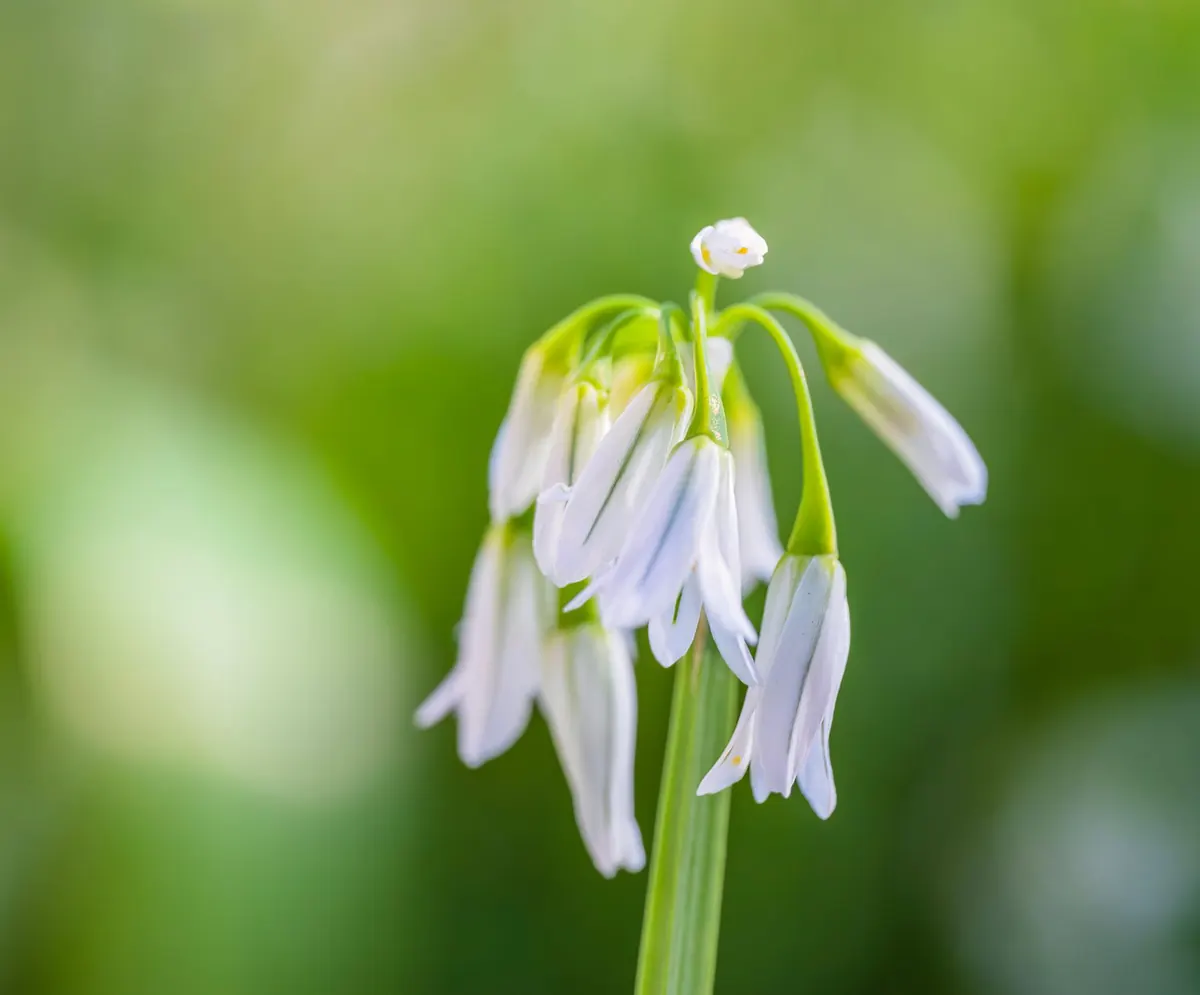
- Wild garlic (ramsons) — leaves from March, white flowers in April. It spreads willingly, so give it a corner you are happy to lose, or sink a pot into the soil.
- Sorrel — sharp, lemony leaves for soup and salad. Cut it regularly to keep it tender.
- Sweet cicely — aniseed foliage that works beautifully with rhubarb.
- Wild and alpine strawberries — small fruit, big flavour, happy as ground cover.
- Parsley, chives, mint and lovage — herbs that sulk in dry sun and prefer a cooler root run.
Fruit and useful shrubs
- Blackcurrants, redcurrants and gooseberries — the most dependable fruit for a shaded plot.
- Raspberries — lighter and later in part shade, but still worth the space.
- Rhubarb — a woodland-edge plant at heart. Give it rich soil and room to spread.
- Hazel, rowan or coppiced willow — for stakes, pea sticks and structure.
Native flowers and ground cover
- Foxgloves, red campion, wood avens, primroses and wood anemones for colour through spring and early summer.
- Ferns — soft shield fern and male fern for texture in dry, rooty corners.
- Sweet woodruff and bugle — low carpets that cope with competition.
- Spring bulbs — snowdrops, daffodils and native bluebells, which flower before the canopy closes overhead. Buy bluebells from a reputable nursery; never lift them from the wild.
Plant in autumn wherever you can. The soil is still warm, rain does the watering, and roots settle in before the leaves come out.
Layering: four storeys on one plot
Think of the plot in layers rather than rows, and it will look after itself. At the top, one small tree or coppiced hazel on the sunniest edge, cut back every few years for stakes. Below that, shrubs: currants, gooseberries, rhubarb, a good clump of ferns. Then herbaceous plants — foxgloves, sorrel, herbs — and finally a ground layer of strawberries, woodruff and bulbs.
Spacing matters more in shade than in sun. Damp, still air encourages mildew and slugs, so leave paths of forty-five to sixty centimetres and let air move between plants. Check your tenancy agreement before planting trees or hedges, as many allotment sites restrict them.
For slugs, encourage frogs with a small sunken pond or a damp log pile, and go out with a torch after rain. Nematode treatments in spring help where the problem is severe, but healthy soil and birds do most of the work.
A year of light-touch upkeep
- Spring: mulch with compost or leaf mould, divide crowded perennials, sow parsley and sorrel, and watch new growth for slugs.
- Early summer: water deeply once or twice a week rather than little and often. Harvest wild garlic before it flowers and cut sorrel to stop it bolting.
- Late summer: prune currants after fruiting, cut back finished herbaceous plants and collect foxglove seed.
- Autumn: rake leaves into a wire cage or bin bag for leaf mould, plant bulbs and bare-root fruit, and split overgrown clumps.
- Winter: stay off wet soil, sharpen tools, order bare-root plants and coppice hazel or willow.
Starting this year
- Watch the light for a week and mark the damp patches and rooty ground.
- Cover the worst areas with cardboard and a thick mulch now. Weeds die back and worms do the digging.
- Build one raised bed for plants that hate wet roots, particularly rhubarb and herbs.
- Plant structure first: a currant bush, a rhubarb crown, a hazel stool and a few ferns.
- Fill the gaps with bulbs and ground cover in autumn, then leave them be.
- Keep a note of what survives its first winter, and plant more of that next year.
A shaded plot rewards patience rather than effort. Get the soil right, choose plants that already belong in woodland, and the garden will need less from you each season — not more.