Comparison: Camping, Glamping and Cabin Stays for a Woodland Break
Comparison: Camping, Glamping and Cabin Stays for a Woodland Break
A weekend among oak and pine can reset your pace. But the way you sleep—canvas, furnished tent, or timber cabin—shapes the whole experience. Each has its own rhythm, cost, and footprint. Here’s how they compare so you can pick the right one for your woodland break.
Comfort and the reality of a night under the canopy
Camping asks you to meet the woodland on its own terms. You carry your shelter, bedding and cooking kit, then pitch up and hope the weather holds. A good sleeping mat and a decent sleeping bag make a huge difference, but you will still hear every rustle and feel every root. In practice, that means a night can be magical or miserable depending on tiny details: whether your tent vents well, whether you pitched on a slope, whether the rain starts at 2 a.m. For many campers, that rawness is the point. You are close to the owls, the wind, and the smell of damp moss.
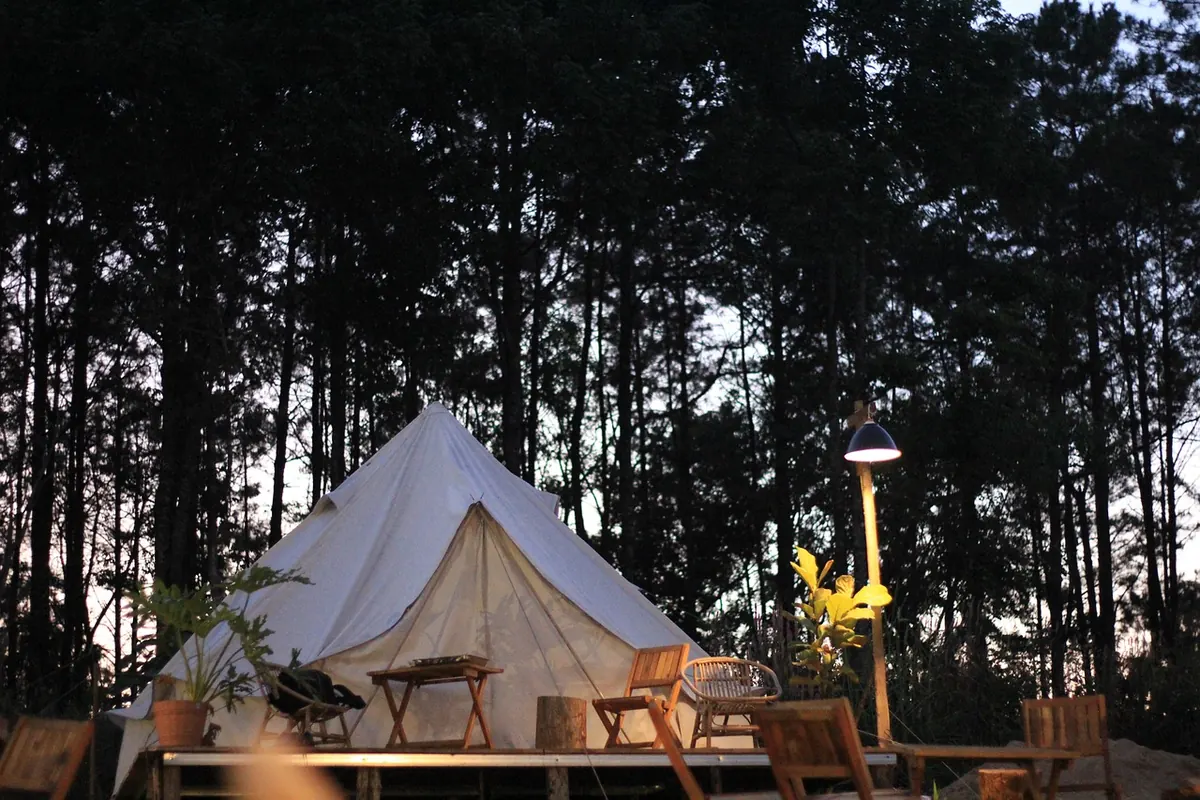
Glamping sits at the other end of the canvas spectrum. You might sleep in a yurt, a bell tent or a shepherd’s hut, often with a proper bed, bedding, and sometimes a wood-burning stove or small kitchen. The tent is already up, the floor is solid, and you can stand upright. You get the sounds of the woods without the lumpy ground, though you may still share a shower block or compost loo. Think of it as camping with the friction removed: you can arrive after work, open a bottle of wine, and be asleep within the hour. The trade-off is a loss of self-reliance, and sometimes a more curated version of the wild.
A cabin is a building, not a tent. Expect walls, a door that locks, heating, a kitchenette, and often a private bathroom. Some are off-grid with solar lights and a composting toilet; others have mains power and hot water. Comfort is less about the category and more about what you personally need to sleep well. If you have small children, a bad back, or a partner who hates the idea of a shared bathroom, a cabin can be the difference between a woodland break that happens and one that never gets booked.
What it costs and what you get for your money
Camping is the cheapest way to stay in the woods, but the upfront kit cost can surprise you. A tent, sleeping bags, mats, stove and cool box add up. Once you own them, pitch fees are usually modest, especially at basic sites. You also spend more time on chores: pitching, cooking, washing up, packing down. A weekend can feel like a small expedition, which is rewarding if you enjoy the process and exhausting if you don’t.
Glamping costs more per night, but you are paying for the setup, the bed, and often the location. You do not need to buy or carry gear, which makes it a good option if you are taking the train or simply do not want a garage full of camping equipment. It also lowers the risk of a first trip going wrong: no missing pegs, no leaking tent, no midnight reshuffle of sleeping bags.
Cabins vary widely. A simple off-grid bothy-style cabin can be affordable, while a luxury lodge with a hot tub commands a premium. You often get a kitchen, so you can cook your own meals and save on eating out. Compare the total cost of your trip—travel, food, firewood, extras—rather than just the nightly rate. Prices shift with season and school holidays, so always check current prices and cancellation terms before you book. A cheap pitch far from home can cost more than a mid-range cabin closer to the woods once fuel and time are counted.
Eco-impact: treading lightly
All three options can be low-impact or high-impact depending on how you use them. Camping has the smallest built footprint: you pitch, you leave, and the grass recovers. But that does not automatically make it green. Poorly managed campfires, food waste, and soap in streams can damage a woodland quickly. Buying lightweight gear that lasts for years matters more than buying cheap gear every season.
Glamping often uses more energy and water per guest because of beds, lighting, heating, and sometimes hot tubs. Yet it can concentrate visitors in a small area, leaving the wider woodland undisturbed. A well-run glampsite may use solar power, compost toilets, and local wood. A poorly run one may rely on diesel generators and daily linen changes. Ask questions before you book: Where does the power come from? Is the wood sourced sustainably? How is waste handled?
A cabin has a permanent footprint, but it can also be the most efficient choice in cold weather. Insulation, a wood stove, and a small kitchen mean less fuel is needed to stay warm, and a cabin can be used year-round. The key is location and management. A cluster of cabins on a brownfield site is very different from a single lodge carved into ancient woodland.
Leave no trace is not a competition. The greenest choice is often the one you will actually use well, with gear you already own and a site that manages its land carefully.
Weather, wildlife and woodland etiquette
Woodland breaks are weather-dependent, and each option handles bad weather differently. Camping in persistent rain can be a test of character; a cabin turns a storm into a cozy backdrop; glamping falls somewhere in between, especially if there is a stove and a covered cooking area. Check the forecast, but also check the site’s drainage. A pitch at the bottom of a slope can flood, while a cabin under a canopy may stay damp and dark.
Wildlife is part of the appeal, but it comes with responsibilities. Keep food sealed, never feed animals, and store rubbish securely. In camping and glamping, that often means locking food in a car or a metal box. In a cabin, it means not leaving crumbs on the porch. Deer, foxes, mice, and birds can all become dependent on careless visitors.
Woodland etiquette is simple: keep noise low, especially at dawn and dusk; stay on paths where they exist; do not cut living trees for firewood; and leave gates as you find them. If you are camping or glamping, use established fire pits, not a new ring of stones. If a site bans fires, respect that—dry woodland is fragile.
Who each option suits best
There is no single winner. The right choice depends on your tolerance for discomfort, your budget, and the kind of memories you want to make.
- Choose camping if you enjoy self-reliance, already own gear, and want the lowest nightly cost. It suits active trips, short summer breaks, and people who do not mind a shared bathroom—or a bush.
- Choose glamping if you want the atmosphere of canvas without the setup. It works well for couples, first-time campers, and anyone arriving by public transport. It is also a good compromise for families who want a taste of the outdoors with a real bed.
- Choose a cabin if you need privacy, warmth, and reliable shelter. It is ideal for winter trips, longer stays, and anyone with mobility needs or young children. You can still spend all day outside and return to a hot shower and a dry bed.
Making the choice: a quick decision guide
Ask yourself three questions before you book. First, how much do you want to spend in total, not just per night? Second, how much effort do you want to put into setting up, cooking, and packing? Third, what will make you sleep well—silence, a mattress, a heater, or a lock on the door?
If you are unsure, try a short trip first. One night of camping can tell you more than a hundred reviews. A midweek glamping stay can be cheaper than a weekend and will show you whether canvas suits you. A simple cabin in shoulder season can be surprisingly affordable and gives you a base for walking, foraging, or simply reading by the fire.
Whichever you choose, remember that the woodland is the main event. The best shelter is the one that lets you step outside rested, curious, and ready to listen to the trees.
Photo: TheSang / Pixabay