Seasonal Foraging Calendar for British Woodlands: What to Pick Month by Month
A wood in April smells of garlic before you see a single leaf. By September the same path is littered with gnawed hazelnut shells, and by November the sloes have softened enough to pick. British woodlands give up something edible in almost every month of the year. The trick is knowing what is ready when, and knowing the small handful of plants that could ruin your week if you get them wrong.
What follows is a working calendar rather than a rulebook. Carry one good field guide, a notebook and a healthy suspicion of anything you cannot identify twice over.
The legal side, in plain terms
There is no universal "one basket per person" rule in the UK, and no nationwide daily limit on berries or mushrooms. What exists is a patchwork of landowner rules, byelaws and a few broad statutes.
The Theft Act 1968 means picking wild fruit, foliage, flowers or fungi for your own use is not theft. That protection falls away if you are picking for sale or reward, which is why commercial foraging almost always needs explicit written permission. The Wildlife and Countryside Act 1981 makes it an offence to uproot a wild plant without the landowner's consent — so leaves, flowers and fruit are usually fine, and whole plants are not.
- Ask first. Woodland belongs to someone: a private estate, a council, a conservation charity, a forestry body. Some welcome quiet foragers, many do not.
- Keep it personal. Selling what you gather without permission is a different activity with different rules.
- Never dig up a plant to take home, however tempting the root looks.
- Stay off protected sites. Nature reserves and Sites of Special Scientific Interest usually prohibit picking, sometimes entirely.
- Check local byelaws, which can be stricter than national law.
- Leave birds alone. Nests, eggs and chicks are protected, and spring foraging puts you right among them.
If you are unsure whether picking is allowed on a particular patch, assume it is not and ask the landowner. A polite email costs nothing.
Spring: March to May
Spring is the season of leaves, and the easiest introduction to foraging there is. Wild garlic carpets damp ground from March, and the whole plant smells of garlic — crush a leaf and check before you pick, because lily of the valley and young lords-and-ladies leaves grow in the same places and smell of nothing. Take the outer leaves and leave the bulb in the ground.
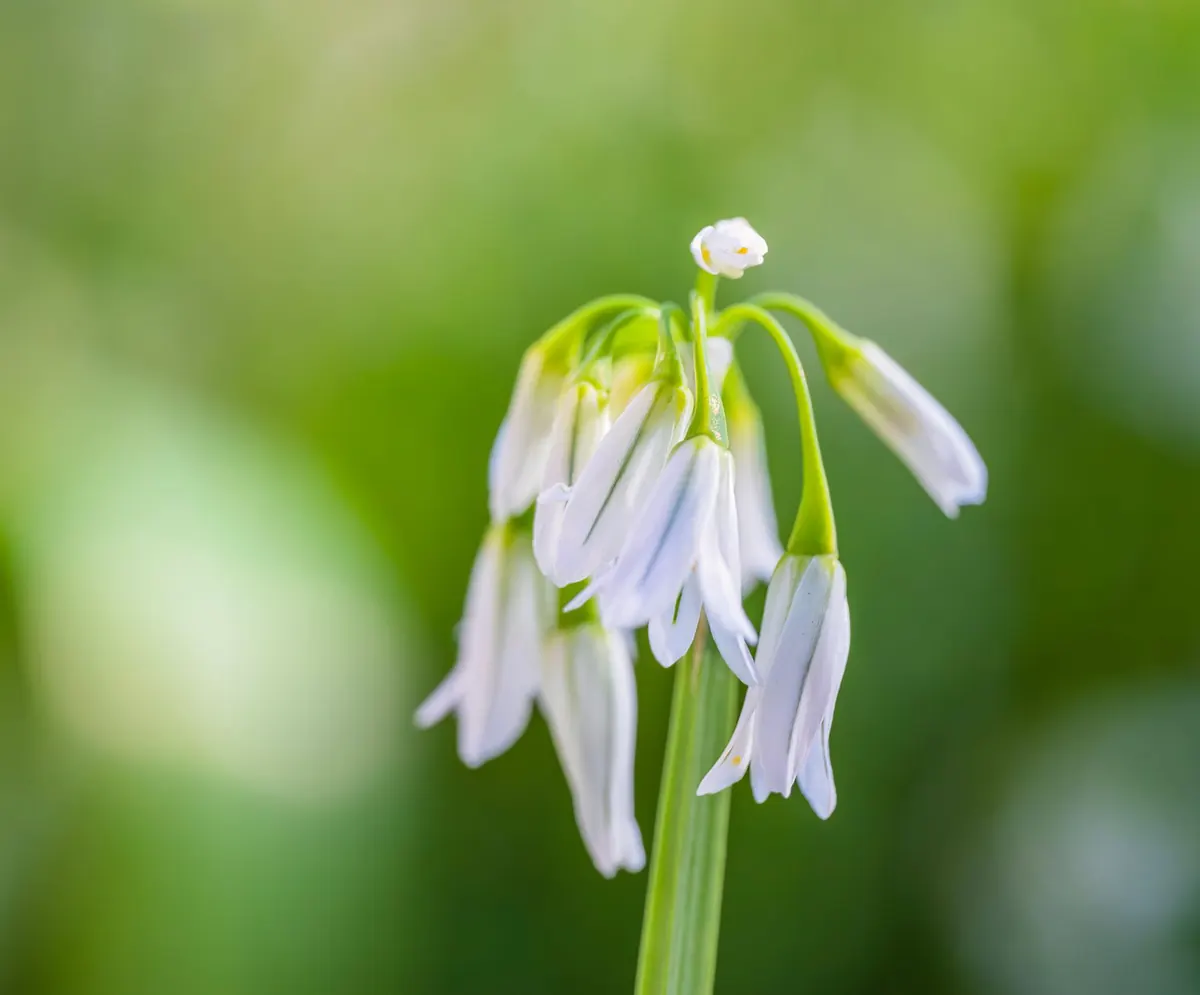
Three-cornered leek appears alongside it, with triangular stems, white bell flowers and an onion smell. Both make excellent pesto.
Nettles are at their best before they flower, when the top four leaves are tender enough for soup; after that they turn gritty and stringy. Look too for wood sorrel with its trefoil leaves and sharp, lemony bite, young hawthorn leaves (the old "bread and cheese"), chickweed, dandelion, and by late May the flat creamy heads of elderflower.
Summer: June to August
Elderflower in early June is a short window — pick heads that smell sweet and floral, and leave the ones that smell faintly of cat. They make cordial, fritters and a decent sparkling wine. Avoid plants growing tight against busy roads, where dust and exhaust settle.
As the canopy closes, the fruit begins. Wild strawberries ripen in June on woodland edges, tiny and far more intense than anything in a supermarket. Bilberries follow from July on acid soils, low blue-black berries with a dusty bloom — check the leaves are small, bright green and borne on wiry stems.
Blackberries start in late July in the south and run for weeks. Pick only the ones that release with a gentle tug; anything that resists is not ripe. Raspberries, wild cherries, meadowsweet, pineapple weed and sheep sorrel all turn up in the same months. A basket lined with a cloth saves a lot of squashed fruit.
Autumn: September to November
Autumn is the main event. Hazelnuts ripen in green husks from late August; look for shells with neat round holes, which mean a squirrel got there first. Sweet chestnuts sit inside spiky cases and are worth the gloves — check the case is densely spiky with several nuts inside, unlike horse chestnut with its smoother, rounder case and single conker.
Acorns are edible but bitter with tannins and need repeated soaking in changes of water before use. Sloes, crab apples, rowan berries, hawthorn haws and rosehips all ripen through September and October. Sloes are mouth-puckering raw; they belong in gin, where the first frost — or a night in the freezer — softens them.
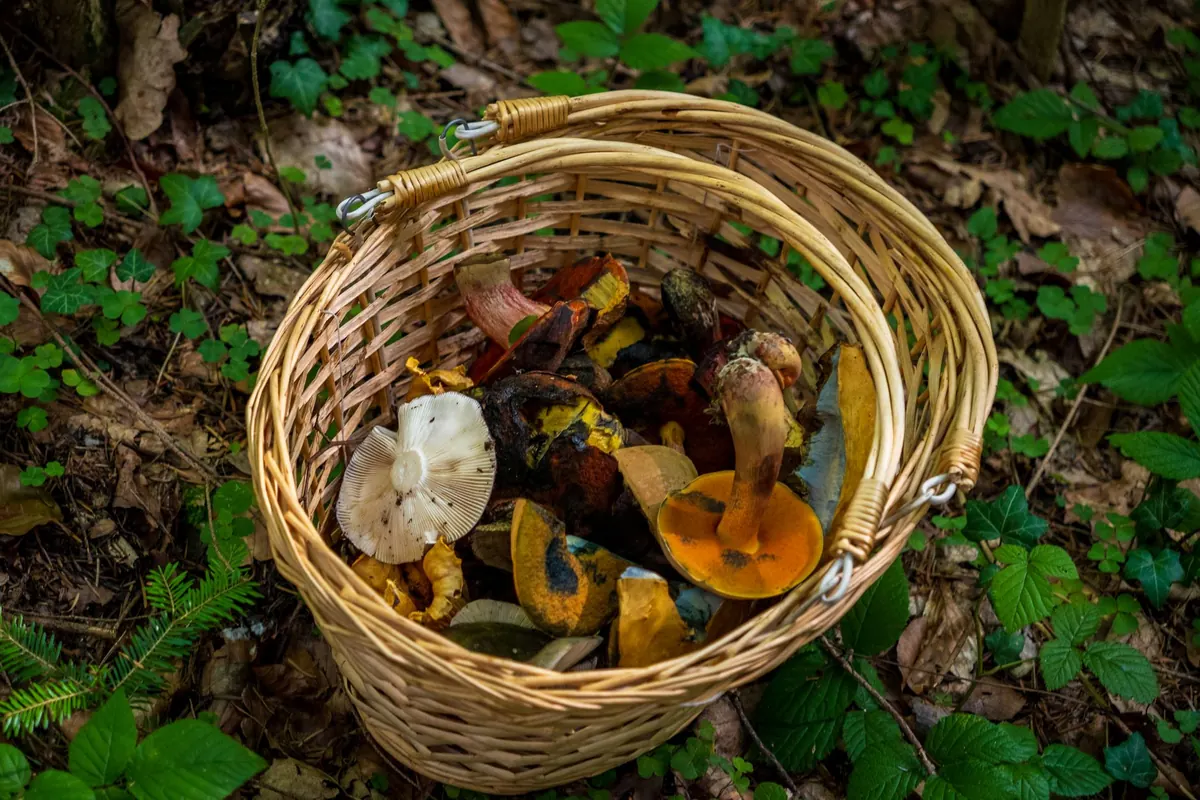
Mushrooms deserve their own caution. Penny buns, chanterelles, wood blewits and hedgehog fungus all fruit in autumn woods, and each has lookalikes ranging from dull to dangerous. Never eat a mushroom on the strength of an app or a single photograph. Learn from someone experienced, check every feature, take a spore print.
Winter: December to February
The quiet months still deliver. Jelly ear grows on dead elder all winter and rehydrates beautifully in a stew. Velvet shank clusters on dead wood, oyster mushrooms fan from birch and beech, and winter chanterelles hide among moss and leaf litter. Frost sweetens rosehips and haws.
Down at ground level, three-cornered leek, hairy bittercress and chickweed keep going through mild spells, and gorse flowers on heath edges almost year-round. Learn these few and winter stops feeling like a closed season.
Harvesting ethics worth sticking to
- Take a share, not the lot. Berries and nuts are winter food for birds, mice, squirrels and deer.
- Leave the plant intact. Cut or pinch; never pull up roots.
- Skip anything rare. If you find a single specimen of something you cannot confidently name, walk on.
- Do not strip a patch bare, and do not return to the same bush every week.
- Stay on paths where you can. Trampled ground takes years to recover.
- Wash everything before eating, and avoid ground-level greens in popular dog-walking spots.
Getting identification right
For every species you plan to eat, learn three reliable features — leaf shape, smell, and where it grows — and learn its dangerous lookalikes at the same time. Smell is underrated: garlic, onion, aniseed and cucumber are all strong clues. For fungi, ignore smell alone and add spore print, gill or pore structure, and habitat.
Two sources beat one. A field guide plus a local expert, or a guide plus a reputable foraging group, is a reasonable standard. If you have never eaten a wild plant before, try a small amount first and give it a day. Anyone with a health condition, on medication, or pregnant should speak to a GP or pharmacist before trying unfamiliar wild foods. If you feel unwell after eating something foraged, seek medical advice promptly and keep a sample of what you ate.
Start with four species and one wood
Pick a small number to learn properly in your first year: wild garlic in spring, elderflower in June, blackberries in late summer, hazelnuts in autumn. Return to the same wood through all four seasons and note dates in a notebook. Timing shifts by weeks depending on latitude, altitude and how cold the spring has been, and a wood you know well will feed you far better than a dozen you visit once.
Go with someone who has done it before, if you can. Failing that, join a local foraging walk — most counties have one — and treat your first year as an apprenticeship rather than a harvest.
Photo: Michał Robak / Pexels