Checklist: Preparing a Woodland Garden for Winter
A woodland garden doesn't shut down for winter. It changes gear — and what you do over the next few weeks decides how it looks and behaves when the light returns. Leaves arrive faster than you can rake them, ground that drained beautifully in July turns to porridge, and the first hard frost rarely gives much warning.
None of it has to be a scramble. What follows is the checklist we run through on our own patch of birch, hazel and fern: small jobs, done in roughly this order, that separate a garden which merely survives the cold from one that comes through it in good heart. Tick them off as you go.
Clear the Leaves — Selectively
Fallen leaves are the cheapest soil conditioner you will ever own, but they block drains, smother small plants and make paths greasy if left in the wrong place. Rake the bulk off gravel, decking, lawns and pond surfaces, then stop and think. A thin scatter under shrubs and along hedges is doing useful work: feeding worms, sheltering beetles and breaking down slowly into the dark, crumbly stuff every woodland gardener wants more of.
- [ ] Paths, steps and decking cleared — these turn treacherous once frost arrives.
- [ ] Gullies and drain grates lifted and emptied — one clogged grate can flood a whole corner.
- [ ] Pond netting checked — too many leaves rotting in the water starve it of oxygen.
- [ ] Leaf mould heap started — see below.
- [ ] Lawn raked lightly — heavy mats of leaf will yellow the grass beneath.
Making leaf mould
Wire together four posts and a length of chicken wire in a corner, or fill old compost sacks, punch a few holes in the sides and tuck them behind the shed. Damp the leaves if they are dry, then leave them alone. Thin leaves such as birch, lime and sycamore break down in a year; oak, beech and holly take two or three. The result is a fine, crumbly mulch that suits ferns, wood anemones and anything you are trying to establish in dry shade.
Get Water Moving Before the Frost
Winter water does more damage than winter cold in most woodland gardens. The aim is simple: give rain somewhere to go. Walk the plot after a heavy night and note where it stands, then deal with the obvious blockages first — silted gullies, collapsed grates, downpipes discharging straight onto a bed.
If a corner floods every year, a shallow channel or a short French drain filled with gravel and wrapped in landscape fabric will often solve it without digging beyond a spade's depth. Empty water butts down, check them for cracked seams and link them so one overflowing butt feeds the next. Raise pots onto bricks so they drain rather than sit in a puddle, and keep off wet soil wherever you can: walking on saturated ground compacts it in a way that takes years to undo. If a route has to stay open, lay a plank or two and leave them there until spring.
Prune With Purpose — Not by Habit
Dormant-season pruning is easier to judge because you can see the shape of a tree without leaves in the way. Start with the three Ds: dead, damaged and diseased wood. Take those out first, cutting back to a healthy branch or a bud, and clean your blades between plants if you suspect disease.
Then be selective. Most deciduous trees and shrubs tolerate winter pruning well, but a few are better left alone until the sap stops running or the flowers have finished.
- Leave spring-flowering shrubs such as forsythia, flowering currant and lilac until after they bloom, or you will cut off the coming year's flowers.
- Prune stone fruits — cherry, plum, damson — in summer rather than midwinter, as open wounds in wet, cold weather invite disease.
- Hold off on any pruning when a hard frost is forecast; fresh cuts are more vulnerable then.
- Leave seed heads on teasel and grasses, and don't tidy every stem. Hollow stems are winter bedrooms for insects.
Shelter the Wildlife
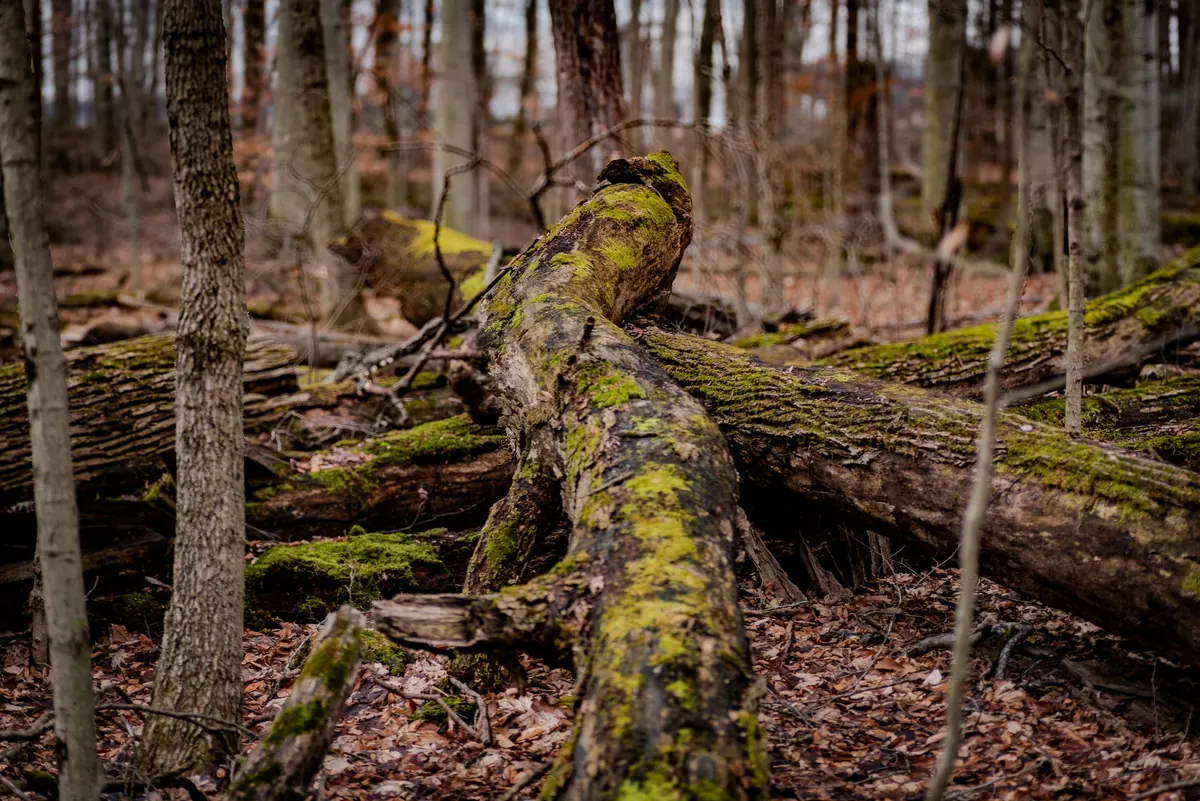
A woodland garden is already good habitat. A little deliberate untidiness makes it better. Build a log pile in a shady corner, bark side up, and leave it undisturbed until spring — hedgehogs, beetles, frogs and solitary bees all use them. Keep one patch of leaf litter thick and untouched. Clean out bird boxes and check they are still firmly fixed, then leave them alone; birds use them as roosts on bitter nights. Feeders are worth keeping topped up, and a shallow dish of water, refreshed daily, is often more valuable than food once the ground freezes.
If you keep a hedge, resist cutting it back hard late in the season, and leave ivy where it is not causing damage. Its late flowers and winter berries are among the best things you can offer.
Protect Soil, Trees and Structures
Mulch beds with leaf mould, composted bark or well-rotted manure, spread a couple of inches deep but kept clear of trunks and crowns. Check tree ties and stakes — a tie that was snug in spring may now be biting into the bark — and loosen anything that looks tight. Firm back any plants lifted by frost heave. Walk the boundary and note fence posts that have shifted, gate hinges that have dropped and shed roofs with slipped felt, then fix them on a dry day rather than a wet one.
Tools: clean, dry, sharpen, store
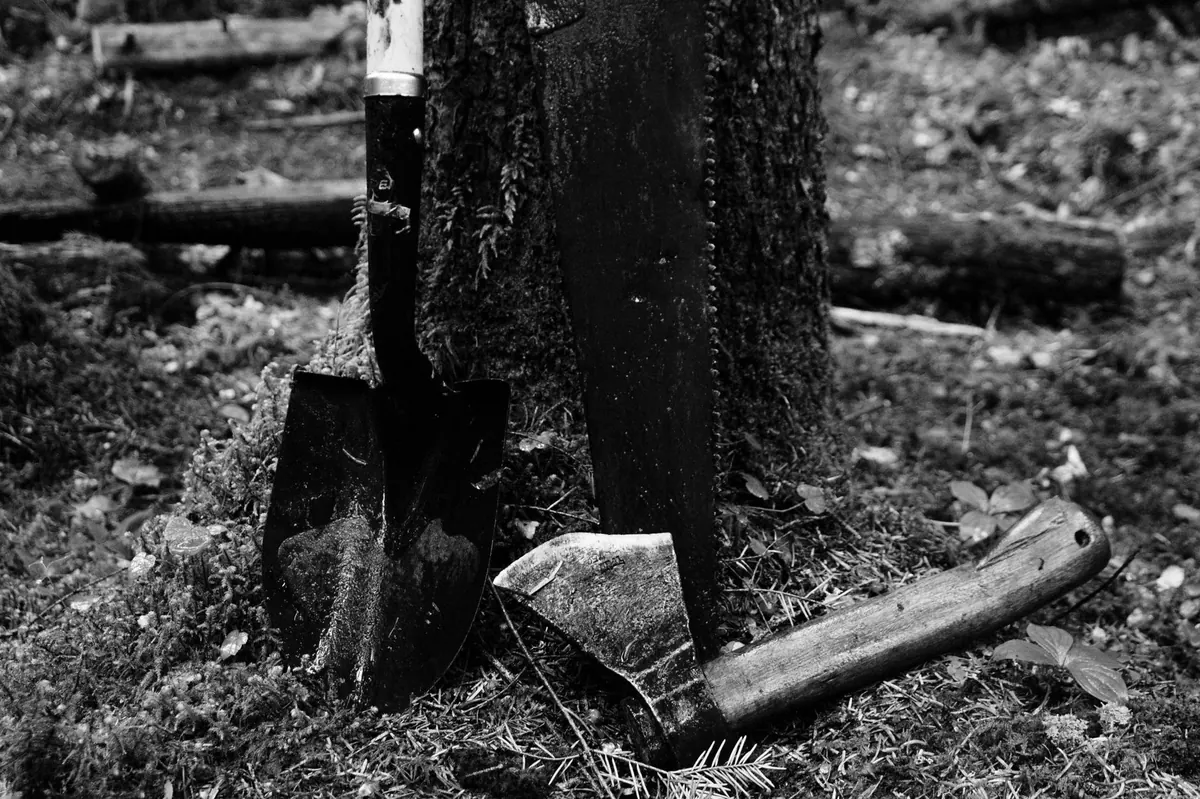
Wash soil off spades and forks, dry them thoroughly and wipe the metal with an oily rag. Sharpen secateurs and loppers, and oil the pivot. Drain hose pipes, coil them loosely and store them out of the light. Empty the mower and strimmer of fuel if they will sit for months. Hang hand tools off the floor, and keep everything in one place so the first fine day in February isn't spent hunting for it.
Work in Batches, and Finish Before the Frost
You will not get all of this done in a weekend, and you don't need to. If time is short, do these four things first: clear the drains, rake the leaves off paths and the pond, check tree ties, and put the tools away properly. Everything else can wait for a dry, bright afternoon between now and February.
Work for two hours, come in, and leave the rest. The garden is settling down, not shutting down — and the tidier its bones are now, the quicker it will answer back in spring.
Photo: congerdesign / Pixabay